Halloween is a holiday celebrated every year on October 31, the night before All Saints’ Day. So, what is Halloween at its core? It’s a blend of three things: an ancient Celtic harvest festival called Samhain, a Christian evening of remembrance known as All Hallows’ Eve, and a very American layer of costumes, candy, and carved pumpkins.
We celebrate it today because those old customs about honoring the dead and scaring off spirits slowly turned into a neighborhood party almost anyone can join. Halloween 2026 fell on a Saturday, and next year it lands on Sunday, October 31, 2027.
Key Takeaways
- Date: Halloween is always October 31. It isn’t a federal holiday, so schools, banks, and post offices stay open.
- Roots: It grew out of Samhain, a Celtic festival marking the end of the harvest, roughly 2,000 years ago.
- Name: “Halloween” is a shortened form of “All Hallows’ Eve,” the evening before All Saints’ Day on November 1.
- American twist: Irish and Scottish immigrants brought the customs to the US in the 1800s, where pumpkins replaced turnips.
- Size: Americans were expected to spend a record $13.5 billion on Halloween in 2026, according to the National Retail Federation.
What Is Halloween? A Quick Definition
In the United States, Halloween is a cultural holiday built around costumes, trick-or-treating, haunted houses, and jack-o’-lanterns. Most people treat it as secular fun, even though its name and date come straight from the Christian calendar.
If someone asks you what is Halloween in one sentence, try this: it’s the night when the old idea of spirits walking the earth gets turned into a community celebration, with candy standing in for the offerings people once left out.
| Detail | Answer |
|---|---|
| Date | October 31 every year |
| Full original name | All Hallows’ Eve |
| Oldest root | Samhain, a Celtic festival in Ireland, Britain, and northern France |
| Federal holiday? | No |
| Main US traditions | Trick-or-treating, costumes, jack-o’-lanterns, parties, haunted attractions |
| Next date | Sunday, October 31, 2027 |
The History of Halloween: From Samhain to All Hallows’ Eve
To really answer what is Halloween, you have to go back about 2,000 years. The history of Halloween runs through three cultures and two millennia. Understanding each layer explains why the holiday feels part spooky, part sacred, and part sugar rush.
Samhain: The Celtic New Year
The Celts lived across what is now Ireland, the United Kingdom, and northern France. Their new year began on November 1, and the night before marked the shift from the bright harvest season to the dark half of the year.
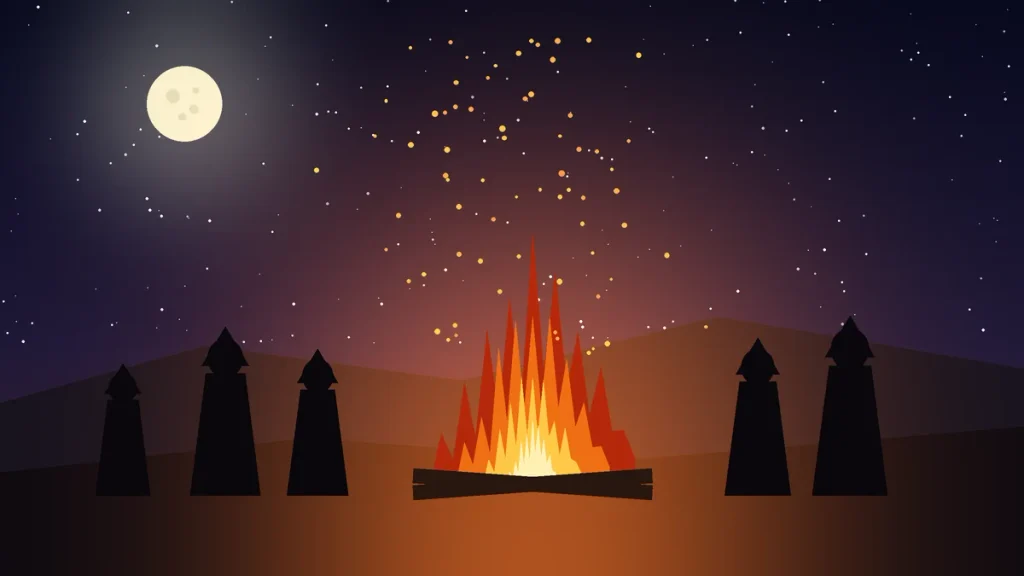
On that night, people believed the line between the living and the dead grew thin. According to the Library of Congress, Samhain was a harvest celebration where people lit bonfires and wore costumes to ward off ghosts. That’s the seed of nearly every spooky tradition we still keep.
How the Church Turned It Into All Hallows’ Eve
As Christianity spread through Celtic lands, church leaders often folded older festivals into Christian feast days rather than banning them outright. In the eighth century, Pope Gregory III designated November 1 as a day to honor all saints, and All Saints’ Day soon absorbed some Samhain customs.
The old English word “hallow” means saint or holy person. So the evening before All Saints’ Day became All Hallows’ Eve, which eventually got squeezed into “Hallowe’en” and then Halloween.
All Souls’ Day and “Souling”
November 2 became All Souls’ Day, a day to pray for the dead. In medieval England, poor people went door to door on these holy days and offered prayers for a household’s departed relatives in exchange for small pastries called soul cakes. HISTORY.com traces trick-or-treating back to these early All Souls’ Day customs.
How Halloween Came to America
What is Halloween in America today owes a lot to immigrants, because the holiday had a slow start in the colonies. Strict Protestant beliefs in colonial New England kept celebrations limited, while Maryland and the southern colonies were more open to them.
Everything changed in the second half of the 1800s. Millions of Irish immigrants arrived, many fleeing the Great Famine that began in 1845, and they brought Halloween customs with them. Scottish immigrants added their own traditions, including going house to house in disguise.
By the late 1800s, American communities were pushing the holiday toward parties and neighborly fun and away from ghosts and pranks. After a stretch of rowdy vandalism in the early 1900s, towns and families leaned into organized trick-or-treating as a cheap, kid-friendly way to celebrate. It spread fast in the late 1940s and 1950s, when the postwar baby boom filled suburbs with children and sugar was no longer rationed.
Why Do We Celebrate Halloween Today?
Knowing what is Halloween is half the story. Ask a dozen Americans why do we celebrate Halloween and you’ll hear a dozen answers. Here are the reasons that actually keep the holiday going, in my experience talking with families, teachers, and neighbors every fall.
- It’s a true neighborhood holiday. Halloween is one of the few nights a year when people open their doors to everyone on the block. The NRF found that 61% of shoppers planned to hand out candy in 2026.
- Being scared is fun when it’s safe. Haunted houses and horror movies let you feel a jolt of fear with zero real danger.
- Kids get to be anyone. A costume lets a shy seven-year-old become a superhero for one night.
- It marks the season. Halloween sits between back-to-school and Thanksgiving, and for many families it’s the official start of the holiday stretch.
- It still honors the dead. Under the candy, the themes of ghosts, skeletons, and graveyards keep the old idea of remembering those who came before.
My honest take: the history explains where Halloween came from, but community explains why it lasts. A holiday with no gifts, no big meal, and no travel survives because it gets people outside and talking to their neighbors.
Halloween Traditions and Where They Came From
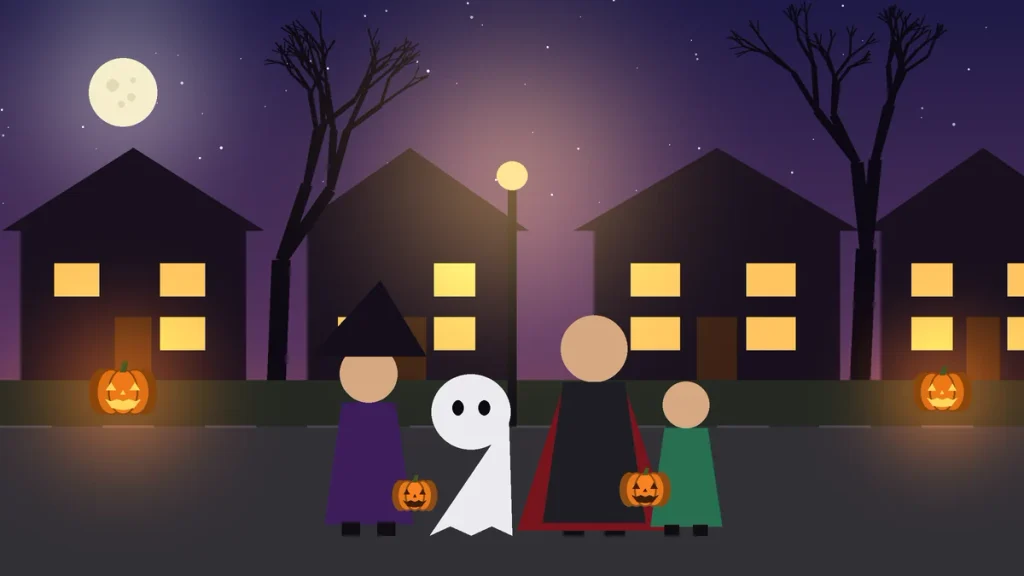
Trick-or-Treating
The phrase “trick or treat” is American, but the practice borrows from medieval souling and Scottish “guising,” where children in costume performed a song, poem, or joke for a treat. The “trick” part was a polite threat of mischief if the house came up empty.
Jack-o’-Lanterns
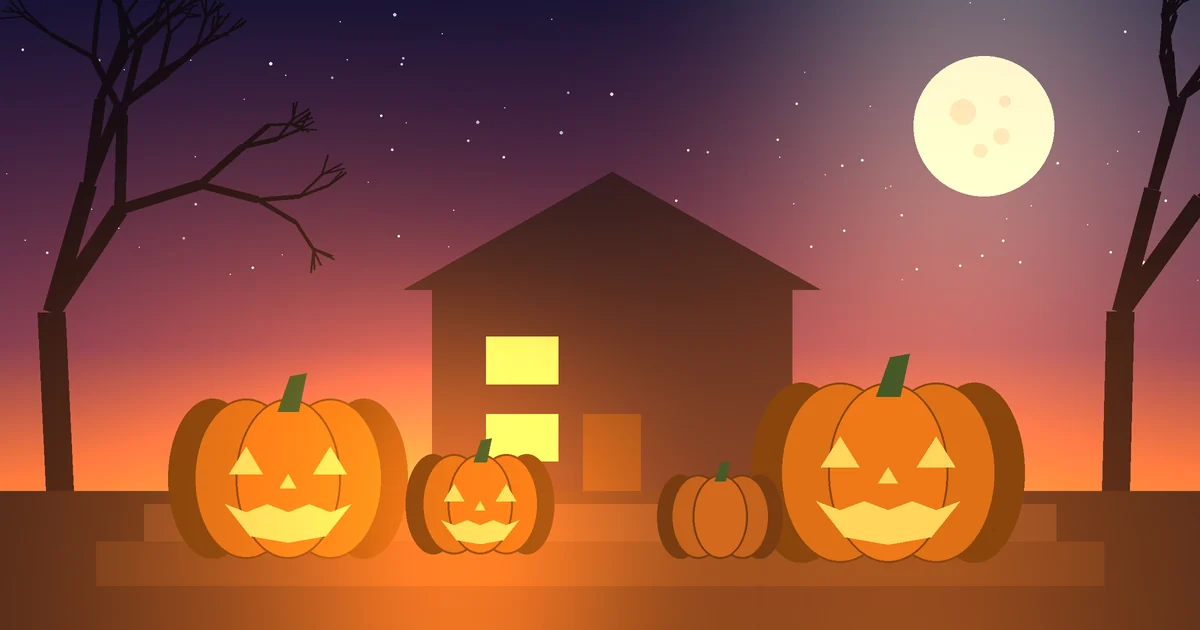
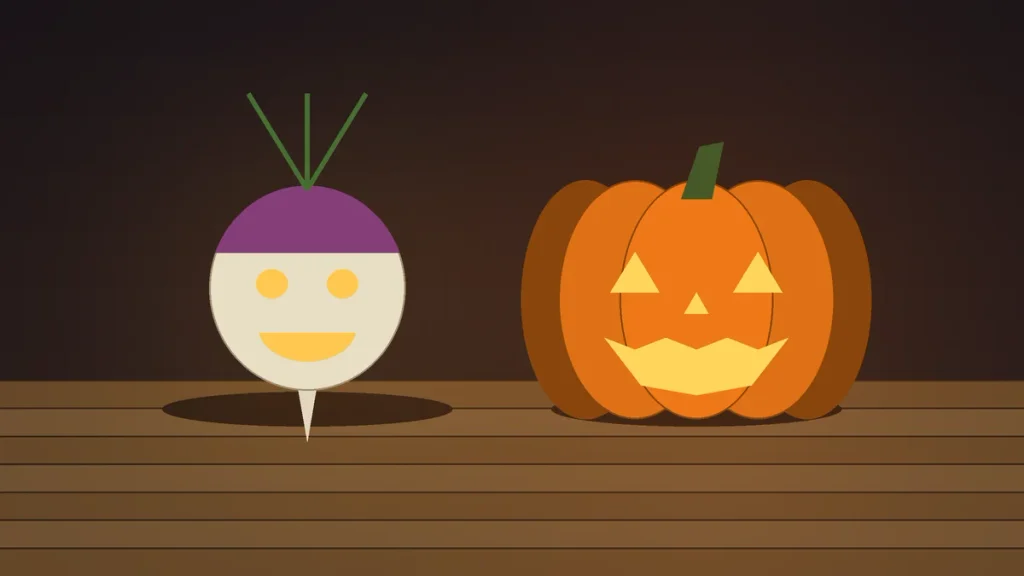
The first jack-o’-lanterns weren’t pumpkins at all. In Ireland, people carved faces into turnips and potatoes, inspired by a folktale about a man called Stingy Jack who tricked the devil and was left to wander with only a coal in a hollowed-out turnip.
When Irish immigrants reached North America, they found pumpkins, a native crop that’s much larger and easier to carve. National Geographic notes that one of the earliest known images of a pumpkin jack-o’-lantern ran in Harper’s Weekly in 1867. A practical tip from years of carving: cut your lid at an angle so it doesn’t fall in, and carve no more than two or three days before October 31, or the pumpkin will start to sag.
Costumes
Costumes go back to Samhain, when people disguised themselves so wandering spirits wouldn’t recognize them. Today the motive is more about fun than protection. According to the NRF, witches, vampires, Batman, and Spider-Man topped adult costume plans in 2026, while kids leaned toward superheroes, princesses, witches, and ghosts.
Bobbing for Apples, Black Cats, and Witches
Apple games likely trace back to harvest customs and old fortune-telling games tied to romance. Black cats and witches entered the picture through medieval European folklore that linked both to the supernatural.
Halloween Traditions by the Numbers (2026)
Any honest answer to what is Halloween in modern America has to include money, because it’s now one of the biggest consumer holidays in the country. Here’s what the National Retail Federation’s 2026 Halloween survey projected, based on 7,889 consumers polled in early September 2026:
| Category | Projected spending | Share of shoppers buying |
|---|---|---|
| Costumes (adults, kids, pets) | $4.4 billion | 71% |
| Decorations | $4.3 billion | 78% |
| Candy | $4.1 billion | 96% |
| Greeting cards | $0.8 billion | 42% |
| Total | $13.5 billion | 74% plan to celebrate |
Pet costumes alone were expected to hit about $920 million, with pumpkin and hot dog outfits leading the pack. That works out to roughly $115 per person who celebrates, so it’s worth setting a budget before September displays hit the stores.
Is Halloween a Religious Holiday?
Many people searching what is Halloween really want to know this. The short answer: not really, at least not anymore. Halloween’s name and date come from the Christian calendar, and its oldest customs come from pagan Samhain, but most Americans celebrate it as a secular cultural event.
Views differ by family and faith. Some churches host “trunk-or-treat” events or fall festivals as an alternative, while others skip Halloween entirely.
Halloween vs. Día de los Muertos
People often mix these up because they sit side by side on the calendar. Día de los Muertos (Day of the Dead), celebrated mainly on November 1 and 2, is a Mexican tradition focused on welcoming and honoring deceased loved ones with altars, marigolds, and family meals. It’s joyful and personal, not spooky, and it’s a separate holiday with its own roots.
Planning Your Next Halloween
Now that you have the answer to what is Halloween and why we celebrate it, the best next step is to plan a little earlier next year. Mark Sunday, October 31, 2027, on your calendar, set a spending cap before stores roll out displays in late summer, and share the Stingy Jack story with your kids while you carve.
Frequently Asked Questions
What is Halloween and what does it mean?
Halloween is a night of remembering the dead, held every October 31. It began as Samhain, a Celtic festival when people believed spirits returned to earth, and later became All Hallows’ Eve, the evening before the Christian feast honoring all saints. Modern American customs turned those old beliefs into a community celebration built around costumes and candy.
Why is Halloween on October 31?
Halloween falls on October 31 because it’s the eve of All Saints’ Day on November 1. That date also matches Samhain, the Celtic new year that started November 1. The Celts believed the night before the new year was when the boundary between the living and the dead was thinnest, which is why ghosts became part of it.
Is Halloween a federal holiday in the US?
No. Halloween isn’t a federal holiday, so federal offices, banks, schools, and the US Postal Service operate on normal schedules. Some school districts adjust activities or allow costume parades, and a few towns set official trick-or-treat hours. Check your city or county website, since local rules vary from place to place across the country.
Where did trick-or-treating come from?
Trick-or-treating blends several old customs. In medieval England, poor people went “souling,” trading prayers for the dead in exchange for soul cakes. Scottish and Irish children went “guising,” performing in costume for food or coins. Immigrants brought these habits to America, and trick-or-treating became widespread in the late 1940s and 1950s.
Why do we carve pumpkins on Halloween?
Carving comes from an Irish folktale about Stingy Jack, who wandered the earth with a coal inside a carved turnip. People in Ireland and Scotland carved turnips and potatoes to scare off spirits. Irish immigrants in America switched to pumpkins because the native fruit was bigger, easier to carve, and plentiful each fall.
Is Halloween a pagan or Christian holiday?
It’s both, historically. Halloween’s earliest customs, like bonfires and disguises, come from the pagan Celtic festival of Samhain. Its name and date come from All Hallows’ Eve, the Christian vigil before All Saints’ Day. Today most Americans treat Halloween as a secular cultural holiday rather than a religious one.