If you want to know how to increase your credit score fast, start with your credit card balances. Paying them down so they’re reported below 10% of your limits is the quickest lever you have, and the change can show up within 30 to 45 days. The second fastest move is getting errors removed from your credit reports.
Everything else on this list helps too, but some steps work in weeks and others take months. Here’s what to do, in the order that gets results soonest.
Key Takeaways
- Utilization moves fastest. Keep card balances under 30% of your limits, and under 10% for the biggest gains.
- Timing matters. Pay before your statement closing date, not just the due date, so a lower balance gets reported.
- Errors are fixable. Pull free weekly reports at AnnualCreditReport.com and dispute anything wrong.
- Protect your payment history. One missed payment can wipe out more points than most quick fixes add.
- Avoid upfront-fee credit repair. Charging before the work is done is illegal under federal law.
How Your Credit Score Works (and What You Can Change Quickly)
Most US lenders use FICO scores, which range from 300 to 850. VantageScore, the other major model, uses the same range and weighs similar factors. Here’s how FICO breaks down your score, according to myFICO, along with how fast you can realistically move each piece.
| Factor | Weight | How Fast You Can Change It |
|---|---|---|
| Payment history | 35% | Slow to rebuild, very fast to damage |
| Amounts owed (utilization) | 30% | Fast, often by the next statement |
| Length of credit history | 15% | Only time fixes this |
| New credit (inquiries) | 10% | Inquiries stop counting after 12 months |
| Credit mix | 10% | Slow, and not worth opening accounts for |
Notice the pattern. Amounts owed is the only big factor you can move in weeks, which is why most of the fast steps below go after your balances.
How to Increase Your Credit Score Fast: 9 Steps
1. Pay Down Balances to Lower Your Credit Utilization Ratio
Your credit utilization ratio is the share of your available revolving credit you’re currently using. If you owe $3,000 across cards with a combined $10,000 limit, you’re at 30%. Pay that down to $900 and you’re at 9%.
FICO looks at both your overall ratio and each card individually, so one maxed-out card can drag you down even when your total looks fine. Under 30% is the common rule of thumb, but people with top-tier scores usually stay in the single digits. If money is tight, pay down the card closest to its limit first.
Here’s the part most people don’t realize: in the score versions most lenders still use, utilization has no memory. Once a lower balance is reported, the old high balance stops hurting you. (Newer trended-data models like FICO 10T do look back further, but they aren’t the norm yet.)
2. Pay Before Your Statement Closing Date
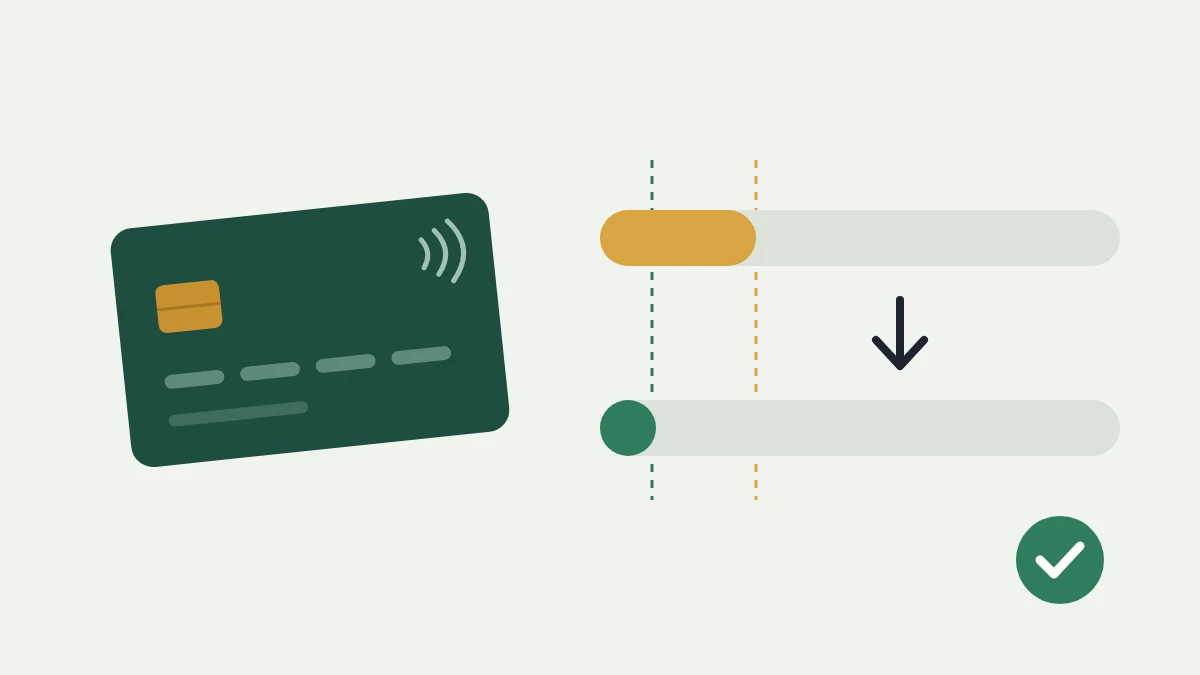
Most card issuers report your balance to the credit bureaus around your statement closing date, not your payment due date. So even if you pay in full every month, a large balance can still land on your report.
Find the closing date on your statement or in your card’s app. Make a payment a few days before it, then pay the rest by the due date. Same money, just timed so a smaller number gets reported.
One small refinement: letting every card report a $0 balance can score slightly lower than having one card report a small balance. Let one card show a few dollars, then pay it off after the statement posts.
3. Ask for a Higher Credit Limit
A bigger limit lowers your utilization without paying down a dime. If you’ve had a card for six months or longer with on-time payments, request an increase online or by phone.
Ask first whether the request triggers a hard inquiry. Some issuers use a soft pull that won’t touch your score, while others do a hard pull that can cost a few points temporarily. And this only works if you don’t spend into the new limit.
4. Check Your Reports and Dispute Credit Report Errors
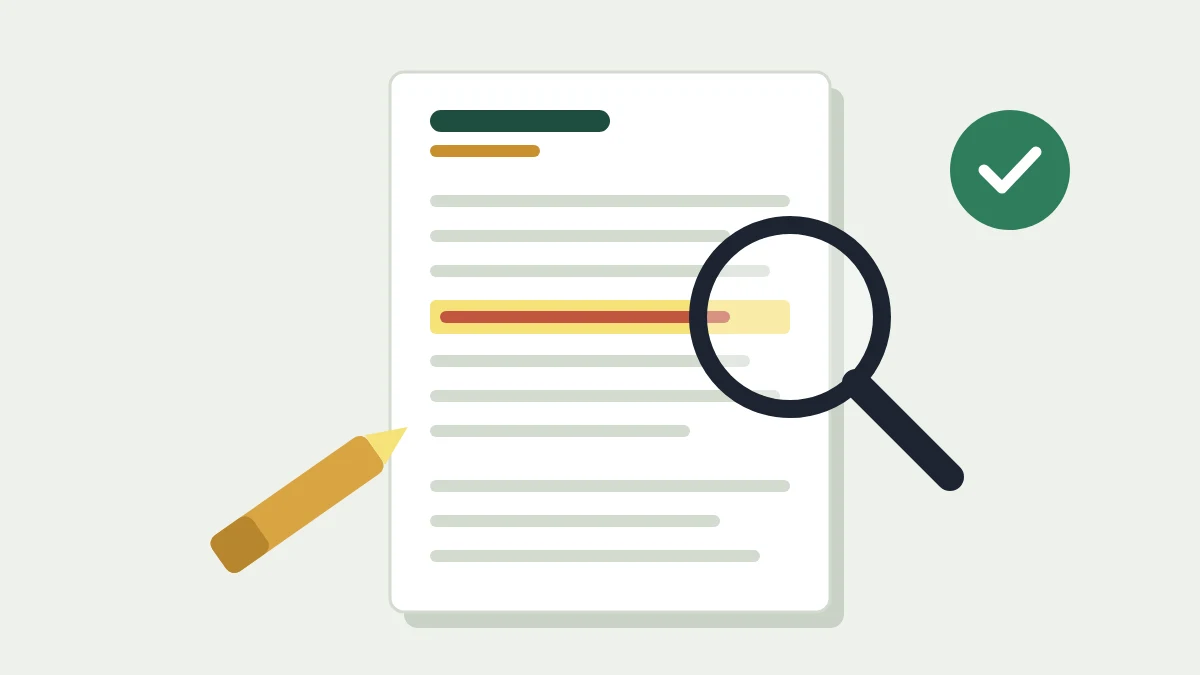
Errors happen more often than people expect. Look for accounts you don’t recognize, late payments you actually made on time, wrong balances, duplicate collections, and old debts that should have aged off.
You can get free weekly reports from Equifax, Experian, and TransUnion at AnnualCreditReport.com, the only site authorized by federal law for free reports. Check all three, since not every lender reports to every bureau.
To dispute credit report errors, file online with each bureau that shows the mistake and attach proof, like a bank statement or payment confirmation. Under the Fair Credit Reporting Act, bureaus generally must investigate within 30 days. The Consumer Financial Protection Bureau offers sample dispute letters if you’d rather send one by certified mail.
5. Get Any Past-Due Accounts Current
Payment history is the biggest part of your score. Lenders typically don’t report a payment as late until it’s 30 days past due, so if you just missed one, pay it today and you may avoid a mark entirely.
If an account is already reported late, bringing it current stops further damage. A 60-day or 90-day late hurts more than a 30-day late. After that, set up autopay for at least the minimum on every account so it never happens again.
6. Become an Authorized User
If a parent, spouse, or partner has a card with a long history, a low balance, and spotless payments, ask to be added as an authorized user. That account’s history can appear on your report, often within a billing cycle or two.
You don’t need to use the card at all. Just confirm the issuer reports authorized users to the bureaus (most major issuers do), and understand that their missed payments would hurt you too.
7. Get Credit for Bills You Already Pay
Experian Boost is a free tool that adds on-time phone, utility, streaming, and in some cases rent payments to your Experian report. It only affects scores based on Experian data, but the results are immediate.
Rent reporting services can do something similar with your monthly rent. Some charge a fee, so ask whether your landlord or property manager already offers it for free. These tools help most if you have a thin credit file with few accounts.
8. Ask for a Goodwill Adjustment
Got one late payment on an otherwise clean account? Write to the lender and ask them to remove it as a courtesy. Briefly explain what happened (a medical emergency, a job loss, an autopay glitch) and point to your on-time record since.
Creditors aren’t required to say yes, and many won’t. Still, a short, polite letter costs nothing, and your odds are better if you’ve been a long-time customer.
9. Hold Off on New Credit Applications
Each hard inquiry can knock a few points off your score. FICO only counts inquiries from the last 12 months, although they stay on your report for two years.
New accounts also lower the average age of your credit. If you’re trying to improve your credit score quickly, pause new applications for a few months. The exception is rate shopping: FICO treats multiple mortgage, auto, or student loan inquiries within a short window (14 to 45 days, depending on the score version) as a single inquiry.
How Long Does It Take to Raise Your Credit Score?
It depends on what’s holding your score down. Balance-related problems clear up fast. Payment-related problems take patience.
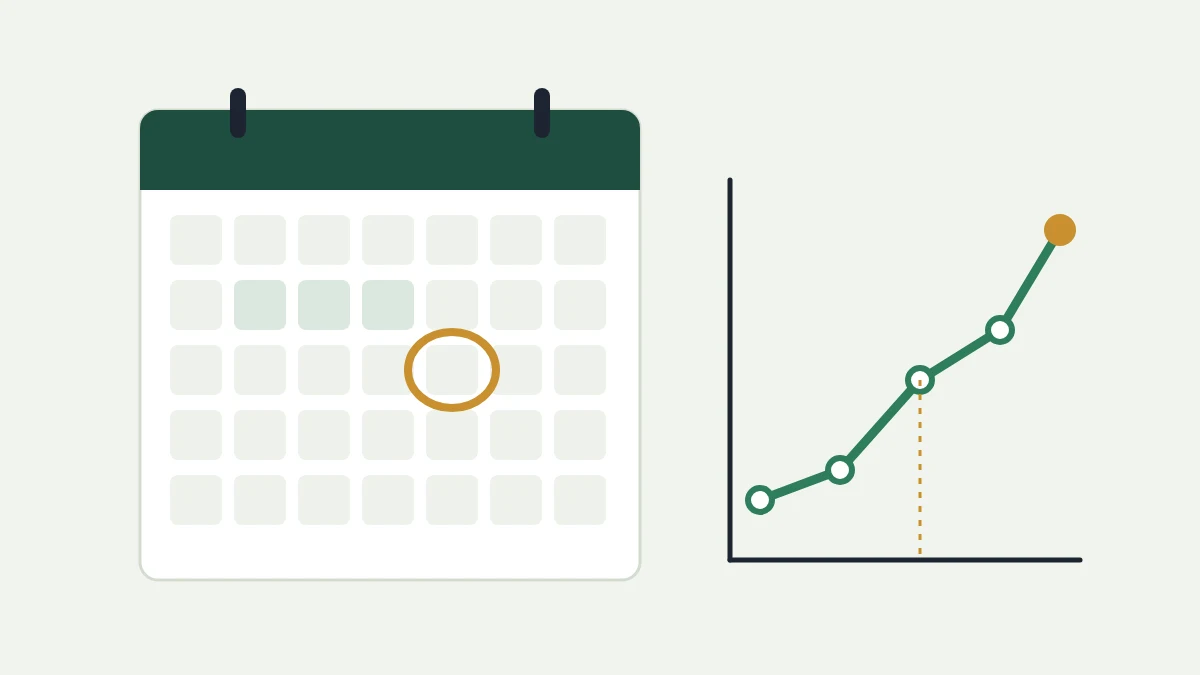
| Action | Typical Time to See Results |
|---|---|
| Paying down card balances | 30 to 45 days (next reporting cycle) |
| Credit limit increase | 30 to 45 days |
| Disputing a report error | 30 to 45 days after filing |
| Becoming an authorized user | 1 to 2 billing cycles |
| Experian Boost | Immediately on Experian-based scores |
| Recovering from a late payment | Months to years, fading over time |
Can You Raise Your Credit Score 100 Points?
Yes, if you’re starting with maxed-out cards or a serious reporting error. Dropping utilization from 90% to under 10% can produce a big jump in one cycle. If your score is low because of recent late payments or collections, though, expect steady gains over many months of clean history rather than one big leap.
Mistakes That Can Undo Your Progress
- Closing old credit cards. It shrinks your total available credit, which raises utilization overnight. If an old no-fee card sits unused, put a small recurring charge on it and set up autopay.
- Paying a credit repair company upfront. The federal Credit Repair Organizations Act bars these companies from charging before they’ve done the work. The Federal Trade Commission warns that no one can legally remove accurate negative information.
- Paying old collections without checking state law. Statutes of limitations on debt vary by state (California’s is four years for most written contracts, for example), and in some states a partial payment can restart the clock. Get any deal in writing first.
- Co-signing a loan. The debt shows up on your report, and if the other person pays late, your score takes the hit.
- Ignoring medical bills. The three bureaus no longer report paid medical collections or those under $500, but larger unpaid medical debt can still appear after a year.
Applying for a Mortgage Soon? Ask About a Rapid Rescore
If you’re in the middle of buying a home, your lender may be able to request a rapid rescore. After you pay down a balance or fix an error, the lender sends proof to the bureaus, and your updated score can come back in days instead of a month.
You can’t order one yourself; it has to go through a lender. On a mortgage, even a 20-point bump that moves you into a better pricing tier can mean real savings over the life of the loan.
Frequently Asked Questions About Raising Your Credit Score
Can I raise my credit score 100 points in 30 days?
It’s possible, but only in specific cases. If your cards are nearly maxed out and you pay them down below 10% utilization, or a major error like a wrongly reported late payment gets removed, a 100-point jump can happen within one or two billing cycles. Without one of those, expect slower gains.
Does checking my credit score lower it?
No. Checking your own credit is a soft inquiry, and soft inquiries never affect your score. You can pull your reports from all three bureaus free every week at AnnualCreditReport.com and see your score in most banking apps. Only hard inquiries, which happen when you apply for new credit, cause a small dip.
How long do late payments stay on your credit report?
A late payment can stay on your credit report for up to seven years from the original delinquency date. The damage fades over time, though, especially if you keep every other account current. A single 30-day late payment from four years ago hurts far less than one reported last month.
Will paying off a collection account raise my credit score?
It depends on the scoring model. FICO Score 9, FICO 10, and VantageScore 3.0 and 4.0 ignore paid collections, so paying helps there. The widely used FICO Score 8 still counts them. Before paying, ask the collector in writing whether they’ll delete the account afterward, since some agree to it.
What is a good credit score in the US?
On the FICO scale of 300 to 850, a score of 670 to 739 is considered good, 740 to 799 is very good, and 800 or higher is exceptional. Lenders generally save their best rates on mortgages, auto loans, and credit cards for borrowers around 740 and above.
Are credit repair companies worth it?
Usually not. A credit repair company can only dispute inaccurate items, which you can do yourself for free with each bureau. Under the federal Credit Repair Organizations Act, these companies can’t charge you before finishing the promised work. Upfront fees or promises to erase accurate negative items are major red flags.
Your Next Step This Week
Pull your three free credit reports today, then list each card’s balance, limit, and statement closing date. Those two lists show you exactly where your fastest points are hiding.
Pay down your highest-utilization card before its next closing date, dispute anything that’s wrong, and turn on autopay for every account. Then check your score again in 30 to 45 days. If you did the work, you’ll see it.