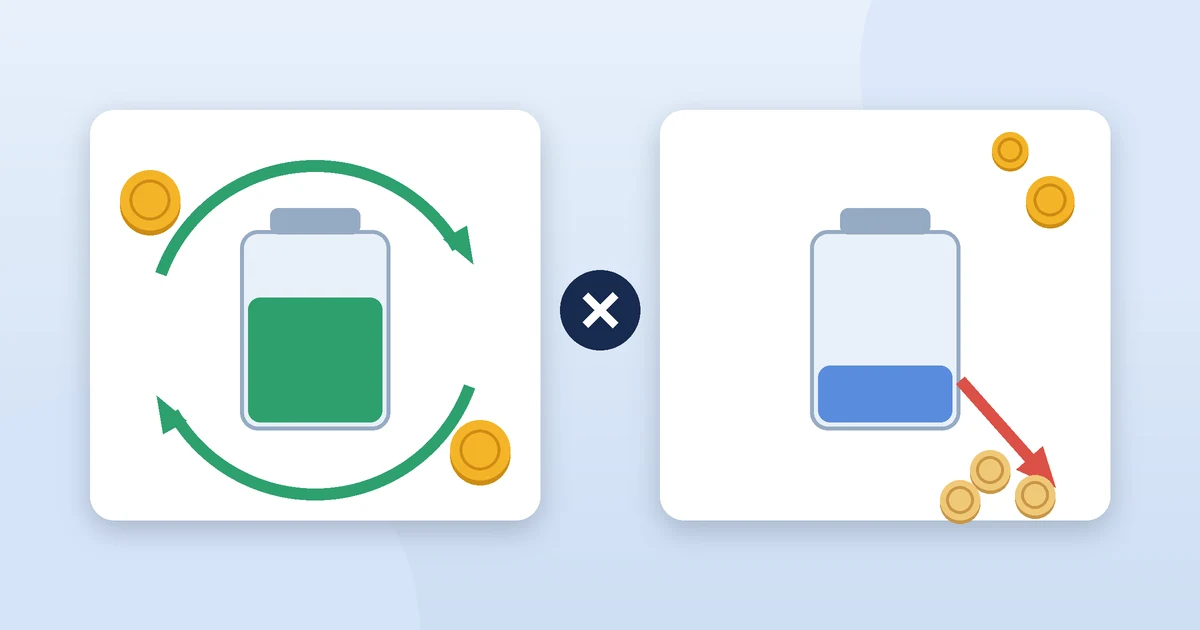
For most people who still have a steady job, a 401(k) loan is the better choice. You pay the money back to yourself, you skip income tax and the 10% early withdrawal penalty, and your retirement savings recover. A hardship withdrawal only wins when you can’t afford loan payments, your plan doesn’t offer loans, or your job is shaky.
That’s the short answer to the 401(k) loan vs hardship withdrawal question. The longer answer depends on your tax bracket, your state, how secure your paycheck is, and what your specific plan allows. Below, I’ll walk through the real costs with dollar examples so you can make the call with confidence.
Key Takeaways
- A 401(k) loan lets you borrow up to $50,000 or 50% of your vested balance (whichever is less) and repay yourself, usually within five years, with no tax or penalty if you stay on schedule.
- A hardship withdrawal is permanent. It’s taxed as income and usually hit with a 10% penalty if you’re under 59½, and you can’t put the money back.
- The biggest loan risk is losing or leaving your job, which can turn the unpaid balance into a taxable distribution.
- For small emergencies, check whether your plan offers the SECURE 2.0 emergency withdrawal of up to $1,000 a year, which avoids the 10% penalty.
401(k) Loan vs Hardship Withdrawal at a Glance
Here’s how the two options stack up side by side. Keep in mind that your employer’s plan sets the final rules, and some plans offer only one of these (or neither).
| Feature | 401(k) Loan | Hardship Withdrawal |
|---|---|---|
| Do you pay it back? | Yes, usually within 5 years | No, and you can’t |
| Income tax | None if repaid on time | Yes, on pre-tax money |
| 10% early withdrawal penalty | None if repaid on time | Usually yes if under 59½ |
| Maximum amount | $50,000 or 50% of vested balance | Only what you need (plus taxes) |
| Need to prove a hardship? | No | Yes |
| Credit check | No | No |
| Risk if you leave your job | Unpaid balance may become taxable | None (it’s already taxed) |
| Long-term retirement impact | Temporary, if repaid | Permanent |
How a 401(k) Loan Works
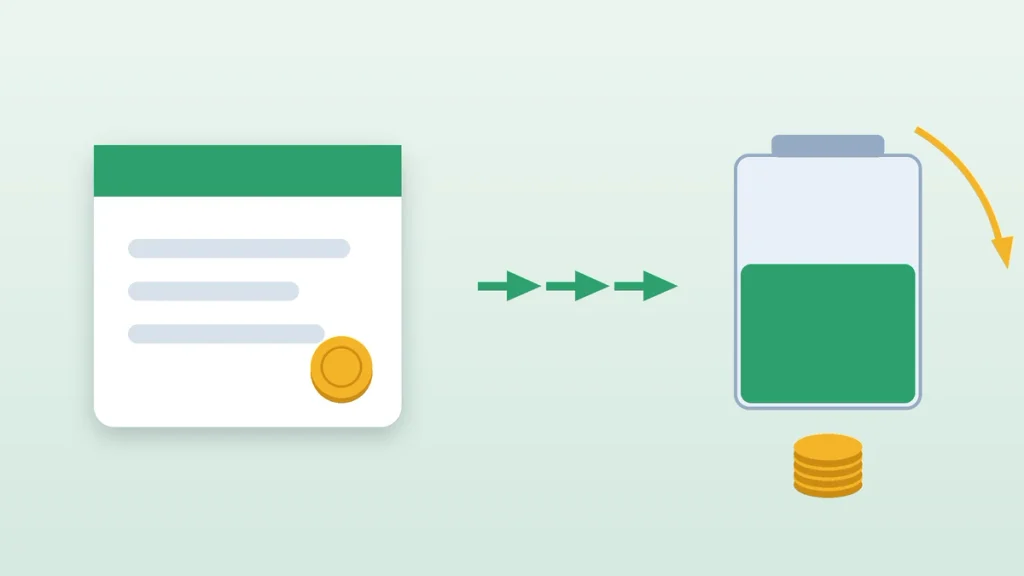
Borrowing from your 401(k) isn’t like a bank loan. There’s no credit check, no lender, and the interest you pay goes back into your own account. Your plan administrator (Fidelity, Vanguard, Empower, and so on) sells some of your investments, sends you the cash, and then pulls repayments straight from your paycheck.
401(k) Loan Rules and Limits
According to the IRS rules on retirement plan loans, the core limits look like this:
- How much: the lesser of $50,000 or 50% of your vested balance. If half your balance is under $10,000, some plans let you borrow up to $10,000.
- How long: generally five years, with payments at least every quarter. Loans used to buy your main home can run longer.
- Interest: set by your plan, commonly the prime rate plus 1 or 2 percentage points.
- Plan choice: employers don’t have to offer loans at all, and some require your spouse’s written consent.
Here’s a real-world example. Say you borrow $10,000 at 8% over five years. Your payroll deduction would be about $203 a month, and you’d pay roughly $2,165 in total interest, all of which lands back in your 401(k).
The Real Risk: Leaving Your Job
This is the part people skip, and it’s where 401(k) loans go wrong. If you quit, get laid off, or get fired, many plans stop payroll deductions and require the balance to be paid off. Whatever you don’t repay gets “offset,” which means it’s treated as a distribution.
The good news is that the Tax Cuts and Jobs Act of 2017 gave you more breathing room. You now have until your tax filing deadline (including extensions) for that year to deposit the unpaid amount into an IRA or new employer plan and avoid the tax. If you can’t come up with the cash, you’ll owe income tax plus the 10% penalty if you’re under 59½. My rule of thumb: if there’s any real chance you’ll change jobs in the next year or two, think twice before borrowing a large amount.
How a 401(k) Hardship Withdrawal Works
A hardship withdrawal pulls money out of your account for good. You don’t repay it, and per the IRS hardship distribution rules, you also can’t roll it over to an IRA. Plans aren’t required to offer hardship withdrawals, and you can only take the amount needed to cover the expense (though you can include enough to pay the resulting taxes).
What Counts as a Hardship Under 401(k) Hardship Withdrawal Rules
The IRS lists “safe harbor” expenses that automatically qualify as an immediate and heavy financial need:
- Medical bills for you, your spouse, dependents, or beneficiary
- Costs of buying your principal residence (not regular mortgage payments)
- Tuition, fees, and room and board for the next 12 months of college
- Payments to prevent eviction or foreclosure on your main home
- Funeral expenses for a close family member
- Certain repairs to damage on your main home
- Losses from a FEMA-declared disaster in the area where you live or work
Buying a boat or a new TV won’t qualify. The good news is that paperwork has gotten easier. Many plans now let you self-certify your hardship in writing, and since 2020 you’re no longer barred from contributing for six months afterward.
What a Hardship Withdrawal Really Costs
The tax bite is the reason I rarely recommend this route. Take a 35-year-old in Illinois (flat 4.95% state income tax) who’s in the 22% federal tax bracket and withdraws $10,000 from a traditional 401(k):
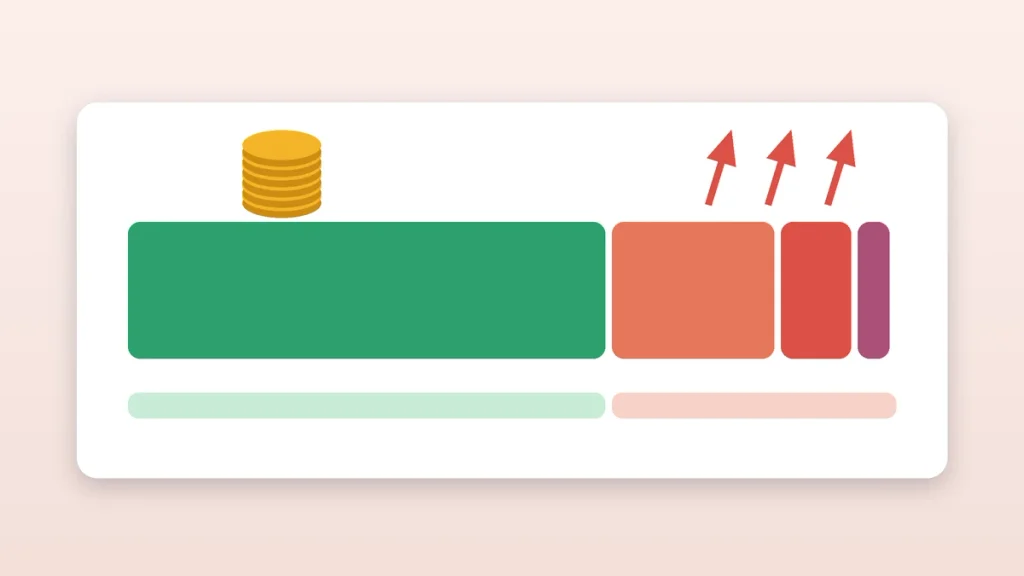
- Federal income tax at 22%: $2,200
- 10% early withdrawal penalty: $1,000
- Illinois state income tax: $495
- What you actually keep: about $6,305
Flip that around and you’d need to withdraw close to $15,860 to walk away with $10,000 in hand. Your state matters here. In Texas or Florida, which have no state income tax, the hit is smaller, while a high-tax state like California makes it worse. Also note that plans usually withhold 10% for federal tax by default, which often isn’t enough to cover what you’ll owe in April.
Which Is Better? When Each Option Makes Sense
Neither option is free. Every dollar you pull out stops growing in the market, and that missed growth compounds for decades. Still, one is usually less painful than the other.
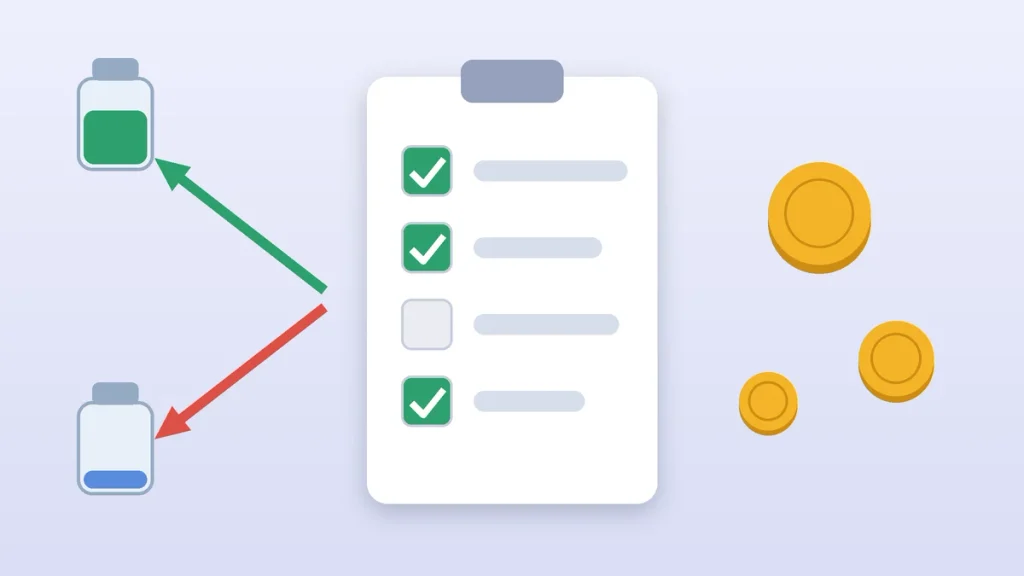
Choose a 401(k) Loan If…
- Your job feels stable for at least the next year or two
- You can comfortably handle the payroll deduction without stopping new contributions
- You need more than a few thousand dollars and want to avoid a tax bill
- You’d otherwise put the expense on a credit card charging 20% or more
Choose a Hardship Withdrawal If…
- Your plan doesn’t offer loans, or you’ve already maxed out what you can borrow
- You can’t afford monthly loan payments on top of the bill you’re facing
- You expect to leave your job soon, so a loan could blow up anyway
- You’re 59½ or older, which removes the 10% penalty (ask about a regular in-service withdrawal too)
My honest take: if you’re employed and can make the payments, take the loan. A hardship withdrawal makes sense mainly when repayment simply isn’t realistic, because a missed loan payment can leave you with the same tax bill plus the stress of a default.
Don’t Overlook the $1,000 Emergency Withdrawal
The SECURE 2.0 Act created a smaller, friendlier option starting in 2024. If your plan has adopted it, you can take one emergency personal expense distribution of up to $1,000 per calendar year for an unforeseeable expense, like a car repair or an urgent medical bill. You can self-certify the need, and per IRS Notice 2024-55, the 10% penalty doesn’t apply.
You’ll still owe income tax, but you can repay the money within three years. Until you do (or contribute an equal amount), you can’t take another one for three calendar years. For a $900 brake job, this beats both a loan and a hardship withdrawal. SECURE 2.0 also added penalty-free withdrawals for domestic abuse survivors, so ask your HR team if that applies to you.
How to Request a 401(k) Loan or Hardship Withdrawal
- Read your Summary Plan Description (SPD). It tells you whether loans and hardship withdrawals are allowed, how many loans you can have, and the interest rate.
- Log in to your plan provider’s website. Most providers show your maximum loan amount and a payment calculator right on the dashboard.
- Gather documents for a hardship. Keep medical bills, an eviction notice, a purchase contract, or tuition statements, even if you self-certify.
- Check the tax withholding. For a hardship withdrawal, consider withholding more than the 10% default so you’re not surprised at tax time.
- Keep contributing if you can. Stopping contributions while you repay a loan means losing your employer match, which is free money.
Alternatives to Borrowing From Your 401(k)
Before you touch your retirement savings, run through these options. A 0% intro APR credit card, a personal loan from a credit union, a payment plan with the hospital, or a home equity line of credit can all cost less in the long run. If your credit needs work first, our guide on how to increase your credit score fast can help you qualify for better rates. It also helps to check your credit report for free so you know where you stand before applying.
Frequently Asked Questions
Is it better to take a 401(k) loan or a hardship withdrawal?
A 401(k) loan is usually better if you have a stable job and can afford the payments. You avoid income tax and the 10% penalty, and the money goes back into your account. A hardship withdrawal is permanent and taxed, so it fits best when repayment isn’t realistic or your plan doesn’t offer loans.
Do you have to pay back a 401(k) hardship withdrawal?
No. A hardship withdrawal is a permanent distribution, so there’s nothing to repay. In fact, the IRS doesn’t allow you to repay it or roll it over to an IRA. The trade-off is that you’ll owe income tax on it and usually a 10% early withdrawal penalty if you’re under age 59½.
What happens to my 401(k) loan if I quit or get fired?
Many plans require you to repay the outstanding balance after you leave. If you don’t, it’s treated as a distribution. You can avoid taxes by depositing the unpaid amount into an IRA or new employer plan by your tax filing deadline, including extensions. Otherwise, you’ll owe income tax and possibly the 10% penalty.
How much tax will I pay on a 401(k) hardship withdrawal?
You’ll pay federal income tax at your regular bracket, plus a 10% penalty if you’re under 59½, plus any state income tax. Someone in the 22% bracket living in Illinois would lose about 37% of a $10,000 withdrawal. Money from Roth contributions isn’t taxed again, though Roth earnings can be.
Does a 401(k) loan affect my credit score?
No. A 401(k) loan doesn’t require a credit check, and plan administrators don’t report it to Equifax, Experian, or TransUnion. Even a default won’t show up on your credit report. Instead, a missed repayment becomes a taxable distribution, which hits your tax bill rather than your credit score.
What qualifies as a hardship for a 401(k) withdrawal?
The IRS safe harbor list includes medical bills, buying your main home, college tuition for the next 12 months, preventing eviction or foreclosure, funeral costs, certain home repairs, and losses from a FEMA-declared disaster. Your plan may accept fewer reasons, so check your Summary Plan Description before applying.
Your Next Step: Check What Your Plan Allows
Pull up your Summary Plan Description or log in to your 401(k) provider today and confirm three things: whether loans are allowed, your maximum loan amount, and whether the $1,000 emergency withdrawal is available. If you have a steady job and the payment fits your budget, start with the loan. If not, run the hardship numbers with your state’s tax rate before you sign anything, and consider a quick call with a CPA or fee-only financial planner for withdrawals over a few thousand dollars.