The easiest way to check your credit report for free is AnnualCreditReport.com, the only website authorized by federal law to give you free reports from Equifax, Experian, and TransUnion. It takes about 10 minutes online, you don’t need a credit card, and you can do it every single week at no cost.
Below you’ll find the exact steps, the other ways to request your reports, what to look for once they load, and how to fix anything that’s wrong.
Key Takeaways
- AnnualCreditReport.com is the only official, federally authorized source of free credit reports.
- You can get a free report from each of the three bureaus every week, online, by phone, or by mail.
- Checking your own credit report is a soft inquiry, so it never hurts your score.
- Free reports don’t include a credit score. Your bank or card issuer is the best free source for that.
- Disputing errors costs nothing, and bureaus generally must investigate within 30 days.
Where to Get Your Free Credit Report (The Only Official Site)
The Fair Credit Reporting Act (FCRA) gives every American the right to a free copy of their credit report from each nationwide credit bureau. To meet that requirement, Equifax, Experian, and TransUnion run one shared site: AnnualCreditReport.com. The Federal Trade Commission (FTC) confirms it’s the only authorized source.
The name is a little misleading now. The law guarantees one free report per bureau every 12 months, but the bureaus started offering free weekly reports during the pandemic and made that weekly access permanent in September 2023. So “annual” really means “whenever you want, up to once a week.”
There’s also a bonus if you like checking often. Through December 31, 2026, Equifax offers up to six extra free reports per year when you sign up for a free myEquifax account on its website.
One warning from experience: type the address straight into your browser. Search ads and lookalike sites with “free credit report” in the name often lead to a paid monitoring trial. The real site never asks for a credit card, and it won’t call, text, or email you asking for personal information.
How to Check Your Credit Report for Free Online (Step by Step)
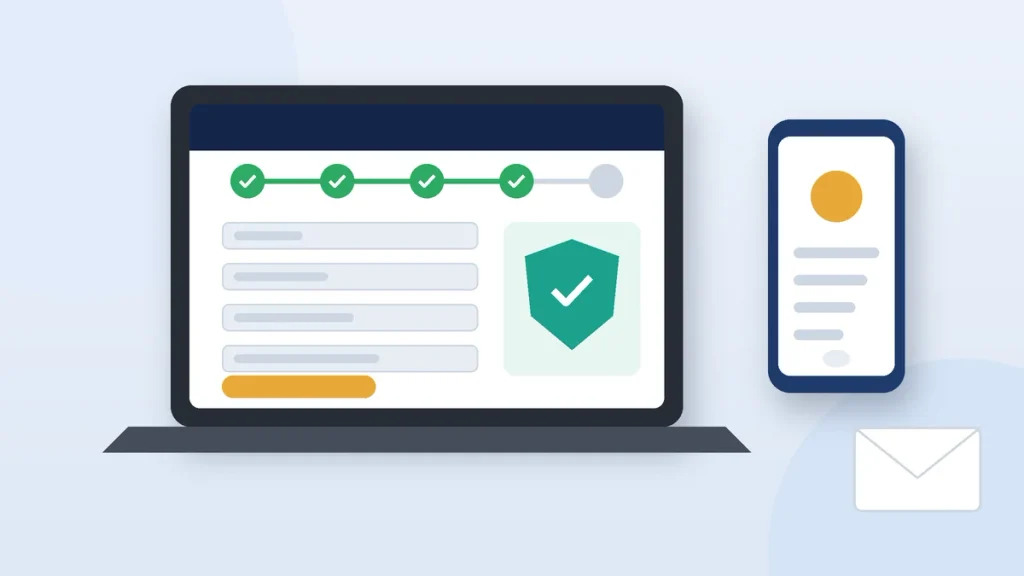
Online is the fastest method because you see your reports immediately. Set aside 10 to 15 minutes and have your last few loan or card statements nearby, since they make the identity questions much easier.
Step 1: Go to AnnualCreditReport.com
Click Request your free credit reports on the homepage.
Step 2: Enter your personal information
You’ll provide your full name, date of birth, Social Security number, and current address. If you’ve moved in the last two years, add your previous address too. Leaving it off is one of the most common reasons people fail verification.
Step 3: Pick your bureaus
Select Equifax, Experian, and TransUnion. Since access is weekly, there’s no reason to space them out anymore. Pulling all three at once lets you compare them side by side, which is where most errors show up.
Step 4: Answer the security questions
Each bureau asks its own questions, such as which company holds your auto loan, your approximate monthly mortgage payment, or a street you’ve lived on. “None of the above” is sometimes the correct answer, so don’t force a guess. If you miss a question, that bureau may block online access for a while, and you’ll need to request that report by phone or mail instead.
Step 5: View, download, and save each report
Save every report as a PDF before you close the tab. The session can time out, and coming back means starting the verification over.
Other Ways to Request Your Free Credit Report
If you’d rather not use the internet, or online verification fails, you have two other options.
| Method | How to request | When you get it |
|---|---|---|
| Online | AnnualCreditReport.com | Right away |
| Phone | Call 1-877-322-8228 | Mailed within about 15 days |
| Send the Annual Credit Report Request Form to Annual Credit Report Request Service, P.O. Box 105281, Atlanta, GA 30348-5281 | Mailed within about 15 days after your request is received |
You’re also entitled to an additional free report if a lender, landlord, insurer, or employer takes adverse action against you based on your credit (for example, denying an application). The notice you receive will name the bureau, and you generally have 60 days to request that report.
Free Credit Report vs. Free Credit Score
This trips up a lot of people. Your credit report is the raw record: accounts, balances, payment history, and inquiries. Your credit score is a three-digit number calculated from that record. AnnualCreditReport.com gives you the reports, not the score.
You can still check your credit score for free in plenty of places:
- Your credit card issuer or bank. Many show a free score in their app, including Discover, Capital One, Chase, and American Express.
- Experian. A free Experian account includes a FICO Score based on your Experian report.
- Free credit apps. Services like Credit Karma show VantageScore scores from TransUnion and Equifax.
Don’t panic if the numbers differ, since each may use a different scoring model and bureau. Watch the trend, not any single number. If your score needs work, our guide on how to increase your credit score fast covers the moves that matter most.
What to Look For When You Review Your Credit Report
Every bureau formats its report a little differently, but they all cover the same five areas:
- Personal information: name variations, addresses, employers, and Social Security number.
- Accounts: credit cards, auto loans, mortgages, and student loans, with balances, limits, and payment history.
- Inquiries: hard inquiries from applications and soft inquiries from things like preapproval offers.
- Collections: debts sent to a collection agency.
- Public records: mainly bankruptcies.
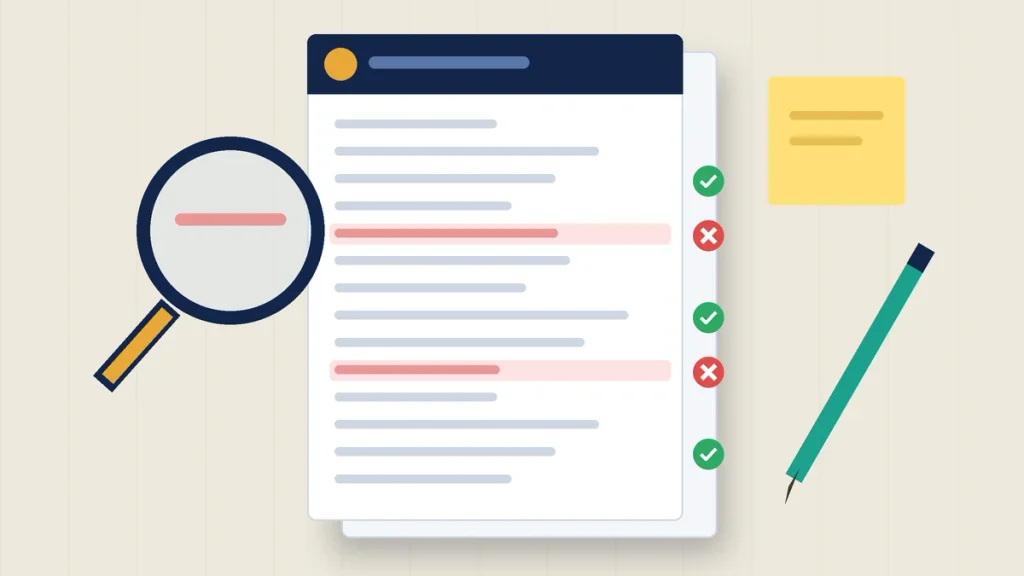
Go through each account line by line. These are the red flags worth circling:
- Accounts or addresses you don’t recognize (a common early sign of identity theft)
- Late payments you know you made on time
- Wrong balances or credit limits, which can make your utilization look higher than it is
- The same debt listed twice, often once by the original lender and again by a collector
- Closed accounts showing as open, or accounts you closed showing as “closed by creditor”
- Negative items older than seven years (Chapter 7 bankruptcies can stay for 10)
- Hard inquiries you never authorized
Here’s something a lot of people miss: your three reports won’t match perfectly. Lenders aren’t required to report to every bureau, and some smaller lenders and credit unions report to only one or two. That’s exactly why checking all three matters. An error might live on just one report, and that could be the one your mortgage lender pulls.
How to Dispute Errors on Your Credit Report
Fixing a mistake is free, and you don’t need to pay a credit repair company to do it.
- Dispute with the bureau that shows the error. Each has an online dispute center: Equifax, Experian, and TransUnion. If the error appears on all three, file with all three.
- Attach proof. Bank statements, payment confirmations, or a letter from the lender carry far more weight than a one-line explanation.
- Contact the lender, too. The company that reported the information (the “furnisher”) also has a duty to investigate and correct it.
- Keep records. If you dispute by mail, use certified mail with a return receipt and keep copies of everything you send.
Under the FCRA, bureaus generally have 30 days to investigate and must send you the results in writing. If a bureau or lender won’t fix a clear error, file a complaint with the Consumer Financial Protection Bureau (CFPB). You can also contact your state attorney general’s consumer protection office, since many states, such as New York and California, have their own consumer credit laws on top of the federal rules.
How Often Should You Check Your Credit Report?
Weekly access is great, but you don’t need to log in every Monday. Here’s a schedule that works for most people:
- Every three months: pull all three reports and compare them with your last saved PDFs.
- Two to three months before a big application: mortgage, auto loan, or apartment lease. That gives you time to fix errors before a lender sees them.
- Right away if something feels off: after a data breach notice, a strange bill, or a call from a collector about a debt you don’t know.
Protect Your Credit After You Check It
Once you know your reports are clean, keep them that way. A credit freeze stops new lenders from pulling your report, which blocks most new-account fraud. It’s been free at all three bureaus under federal law since September 2018. A freeze doesn’t affect your score, and you can lift it temporarily in a few minutes when you apply for credit.
If you’re worried about fraud but want to keep applying for credit easily, a fraud alert is the lighter option. It’s free, lasts one year, and you only need to contact one bureau because it notifies the other two. The FTC explains both options in its guide to credit freezes and fraud alerts.
Found accounts that aren’t yours? Report it at IdentityTheft.gov, the FTC’s official site, which builds a personal recovery plan and the letters you’ll need.
Frequently Asked Questions
Is AnnualCreditReport.com really free?
Yes. AnnualCreditReport.com is the only site authorized by federal law to provide free credit reports from Equifax, Experian, and TransUnion. It never asks for a credit card or pushes a paid trial. If a “free credit report” site wants payment details, you’re on the wrong website, so close it and type the official address directly.
Does checking your credit report lower your score?
No. Checking your own credit report or score is a soft inquiry, and soft inquiries never affect your credit score. You can check as often as you like. Only hard inquiries, which happen when a lender reviews your credit after you apply for a loan or credit card, can lower your score slightly.
How often can I check my credit report for free?
You can check your credit report for free once a week from each of the three bureaus at AnnualCreditReport.com. Equifax, Experian, and TransUnion made weekly access permanent in September 2023. Through December 31, 2026, Equifax also offers up to six extra free reports a year through a free myEquifax account.
Does the free credit report include my credit score?
No. Reports from AnnualCreditReport.com show your accounts, payment history, and inquiries, but not a credit score. For a free score, check your credit card or bank app, since many major issuers provide one. Experian also offers a free FICO Score with a free account, and apps like Credit Karma show free VantageScore scores.
Why are my three credit reports different?
Lenders aren’t required to report to every credit bureau, and they may update each bureau on different days. So one report might list an account or balance that another doesn’t. That’s why it’s smart to check all three. An error could appear on only one report, and that might be the one your lender uses.
How long does it take to fix an error on my credit report?
Credit bureaus generally have 30 days to investigate a dispute under the Fair Credit Reporting Act, and they must send you the results in writing. Simple fixes, like an outdated address, can update sooner. Sending clear proof, such as statements or payment confirmations, usually speeds things up and improves your chances of a correction.
Your Next Step: Pull All Three Reports Today
Checking your credit report for free takes less time than a coffee run. Go to AnnualCreditReport.com, request all three reports, save them as PDFs, and spend 15 minutes reading them line by line. If something’s wrong, dispute it this week. Then set a reminder to do it again in three months, and consider a free credit freeze so your clean report stays clean.