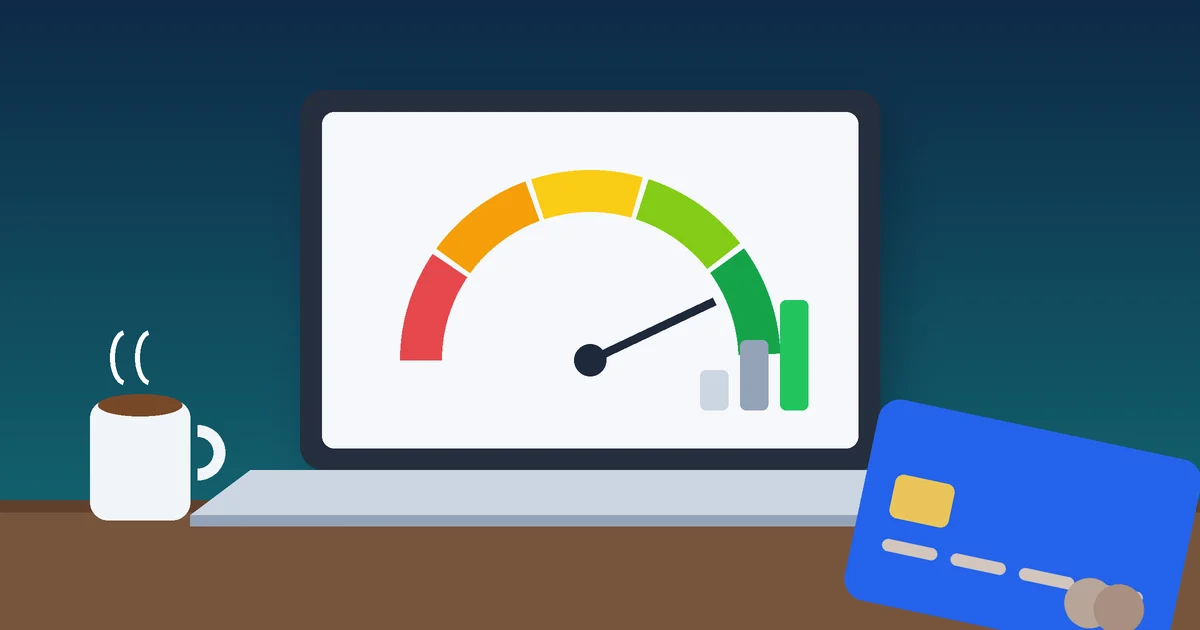
If you want to know how to increase your credit score fast, start with the three things that update within one billing cycle: lower your credit card balances before the statement closes, remove errors from your credit reports, and make sure no payment hits 30 days late. Most people who see a big jump in a month or two get it from those moves, not from tricks or paid services.
Everything below is free, legal, and something you can start tonight. I’ll also tell you which popular tips are a waste of time and which ones can backfire.
Key Takeaways
- Paying card balances down before the statement closing date is the fastest score boost, often visible in under 30 days.
- Keep your credit utilization ratio under 30%, and under 10% if you want the best results.
- Credit bureaus generally have 30 days to investigate a dispute, so fixing errors is a one-to-two-month win.
- Don’t close old cards or apply for several new ones while you’re trying to raise your score.
- No company can legally charge you upfront for credit repair or remove accurate negative items.
How Fast Can You Raise Your Credit Score?
Your score is recalculated every time a lender pulls it, using whatever is on your credit report at that moment. That’s good news. Card issuers usually report to Equifax, Experian, and TransUnion once a month, so anything you change today can show up in about 30 days.
Here’s a realistic look at timing. The point gains depend heavily on your starting profile, so treat the “impact” column as a general guide, not a promise.
| Action | When it can show up | Typical impact |
|---|---|---|
| Pay down credit card balances | Next statement (under 30 days) | Large if your cards are near their limits |
| Dispute and remove an error | 30 to 45 days | Large if it’s a late payment or collection |
| Become an authorized user | 1 to 2 billing cycles | Moderate, bigger for thin credit files |
| Credit limit increase | Next statement | Moderate if you carry balances |
| Experian Boost | Same day (Experian only) | Small to moderate |
| Rapid rescore (mortgage only) | A few days | Depends on what changed |
| Recovering from a late payment | Months to years | Fades slowly over time |
Can you raise your credit score 100 points? Yes, but usually only if your cards are close to maxed out or there’s a serious error on your report. If your file is thin or your only problem is a recent late payment, expect slower progress.
What Actually Moves Your Credit Score
FICO, the score most US lenders use, groups your credit data into five categories. According to myFICO, here’s how they’re weighted for the general population:
- Payment history (35%): whether you pay on time.
- Amounts owed (30%): mostly your credit card balances compared to your limits.
- Length of credit history (15%): how old your accounts are.
- New credit (10%): recent applications and new accounts.
- Credit mix (10%): having both cards and installment loans.
Notice what that means for speed. Payment history takes time to build, and account age can’t be rushed. Amounts owed is the big category you can change this month, which is why most of the fast moves below target it.
8 Ways to Increase Your Credit Score Fast
1. Pay Down Balances Before the Statement Closing Date
This is the single best tip in the whole article. Your card issuer reports the balance shown on your monthly statement, not the balance on your due date. If you pay in full every month but your statement shows $2,400 on a $5,000 limit, the bureaus see 48% utilization.
Log in to each card account and find the statement closing date (it’s usually about three weeks before the due date). Make your payment a few days before that date. Paying that same card down to $400 drops you to 8%, and your score can respond on the very next report.
One insider detail: letting every card report a $0 balance can actually score slightly lower than letting one card report a small balance. A common approach is to pay all cards to zero except one, which shows a few dollars.
2. Get Your Credit Utilization Ratio Under 30% (or 10%)
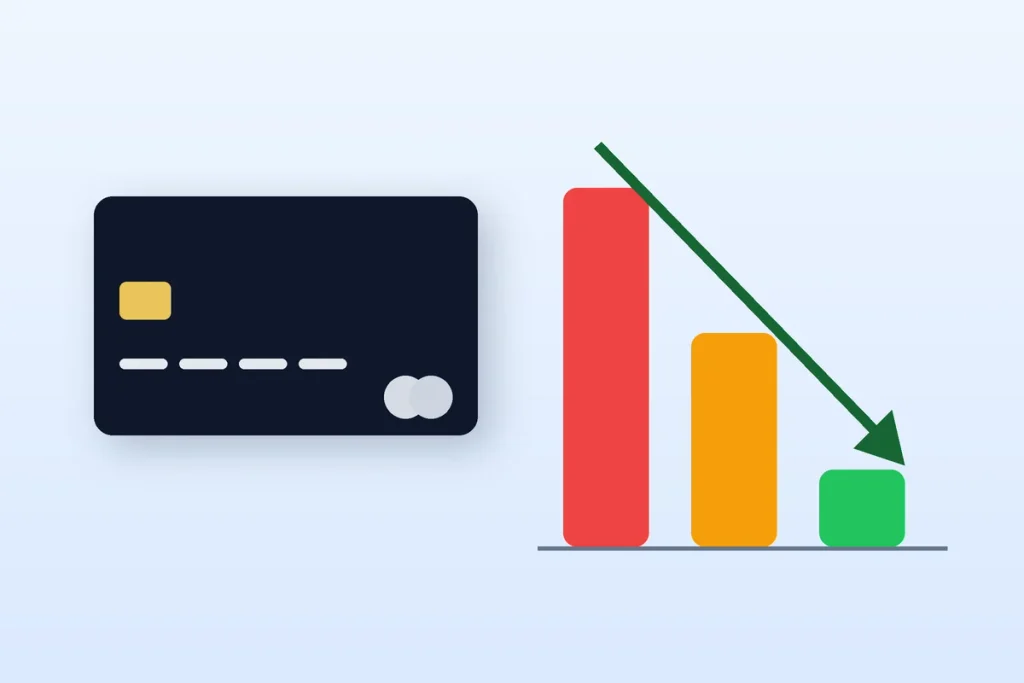
Your credit utilization ratio is your total card balances divided by your total card limits. Scoring models look at it overall and card by card, so one maxed-out card can hurt even if your overall number looks fine.
Under 30% is the usual advice. People with the highest scores tend to stay in the single digits. If you can’t pay everything down at once, attack the card that’s closest to its limit first.
3. Pull Your Reports and Dispute Credit Report Errors
You can get free reports from all three bureaus every week at AnnualCreditReport.com, the only site authorized by federal law for this. Look for accounts you don’t recognize, late payments you know you made on time, duplicate collections, and wrong balances or credit limits.
Dispute each error directly with the bureau that shows it, online or by mail, and attach proof such as a bank statement. Under the Fair Credit Reporting Act, the bureau generally has 30 days to investigate. The Consumer Financial Protection Bureau has sample dispute letters you can copy.
Check medical collections closely. A federal court struck down the CFPB’s medical debt rule in July 2025, but the three bureaus still voluntarily leave off paid medical collections and medical collections under $500. Unpaid medical bills over $500 also get a one-year wait before they can appear. If one breaks those rules, dispute it. Some states, such as California, have their own medical debt reporting laws, so mention yours in the dispute too.
4. Ask for a Credit Limit Increase
A higher limit lowers your utilization without paying a dime, as long as you don’t spend more. Many issuers let you request one in the app in under two minutes. Ask first whether it uses a hard or soft credit pull, because a hard pull can cost you a few points for a while.
5. Become an Authorized User on a Good Account
If a parent, spouse, or partner has a card with a long, spotless history and a low balance, being added as an authorized user can bring that history onto your report. You don’t even need to use the card. Confirm the issuer reports authorized users to the bureaus, and only do this with someone who pays on time, since their mistakes show up on your report too.
6. Get Credit for Bills You Already Pay
Experian Boost is free and adds on-time phone, utility, streaming, and in some cases rent payments to your Experian report. It only affects scores pulled from Experian data, so a lender checking Equifax won’t see it. It helps most if you have a thin credit file. Rent reporting services can add your rent to other bureaus, but many charge a monthly fee, so check the cost first.
7. Send a Goodwill Letter for a One-Time Late Payment
If you have one late payment on an otherwise clean account, write to the lender, explain what happened (a job loss, a hospital stay, an autopay glitch), and politely ask them to remove it as a courtesy. Lenders don’t have to say yes, and many won’t. It costs you a stamp, though, and it works often enough to try.
8. Ask Your Mortgage Lender About a Rapid Rescore
Buying a home and a few points away from a better rate? A rapid rescore lets your lender send proof of a paid-down balance or corrected error to the bureaus and get an updated score in days instead of weeks. You can’t order one yourself. It has to go through the lender, and it’s worth asking about before you lock your rate.
Mistakes That Slow Down Your Progress
- Closing old credit cards. You lose that available credit, which pushes your utilization up. Keep no-fee cards open and use them for a small purchase every few months.
- Applying for several cards at once. Each hard inquiry stays on your report for two years, and FICO counts it for 12 months.
- Paying a credit repair company upfront. The Credit Repair Organizations Act bans charging before the work is done, according to the FTC. Anything they can legally do, you can do yourself for free.
- Paying old collections without a plan. Newer models like FICO 9 and VantageScore 4.0 ignore paid collections, but the widely used FICO 8 doesn’t. Also, debt time limits vary by state (California’s limit on written contracts is four years), and in some states a small payment can restart the clock. Get a written agreement before you pay.
A 30-Day Plan to Improve Your Credit Score Quickly
Here’s how I’d lay it out if you want to improve your credit score quickly before a car loan or apartment application.
- Days 1 to 3: Pull all three reports. Write down every card’s statement closing date and limit. Set autopay for at least the minimum on every account.
- Days 4 to 10: File disputes for any errors. Send goodwill letters if they apply.
- Days 11 to 20: Pay balances down before each closing date, highest utilization card first. Request limit increases where the issuer uses a soft pull.
- Days 21 to 30: Sign up for Experian Boost if your file is thin. Check your score after the new statements post.
Want to see the full picture before you start? Read our walkthrough on how to check your credit report for free, and if you’re carrying high-interest balances, see our tips on how to pay off credit card debt faster.
Frequently Asked Questions
How can I raise my credit score 100 points in 30 days?
A 100-point jump in 30 days is possible if your cards are close to their limits or your report has a major error. Pay balances down before each statement closing date, dispute any wrong late payments or collections, and avoid new applications. If your cards already have low balances, gains will be much smaller.
How long does it take for a credit score to update after paying off a credit card?
Most issuers report to the credit bureaus once a month, usually on your statement closing date. So your score typically updates within 30 days of paying off a card. If you pay right after a statement closes, it can take closer to two billing cycles before the lower balance shows up on your credit report.
Does checking my own credit score lower it?
No. Checking your own score or report is a soft inquiry, and soft inquiries never affect your credit score. You can check as often as you like through your bank, card issuer, or AnnualCreditReport.com. Only hard inquiries, which happen when you apply for a loan or credit card, can lower your score a few points.
What is a good credit utilization ratio?
A good credit utilization ratio is under 30% of your total card limits, and under 10% is even better. People with the highest FICO scores typically stay in the single digits. Scoring models look at your overall ratio and each card on its own, so try not to let any single card run close to its limit.
Is it better to pay off a credit card in full or leave a small balance?
Pay your statement balance in full every month so you never pay interest. Carrying a balance doesn’t help your score. For the best score, you can let one card report a small balance on the statement and pay it off by the due date, while keeping other cards at zero before their closing dates.
Your Next Step
Don’t try to do all eight moves at once. Tonight, log in to each credit card and write down the statement closing date, then pull your free reports at AnnualCreditReport.com. Those two steps tell you exactly where your fastest points are hiding, and you’ll know within one billing cycle whether it’s working.