The fastest way to save money on car insurance is to compare quotes from at least three insurers every year, raise your deductible to an amount you could pay tomorrow, and ask for every discount you qualify for. Those three moves alone often trim hundreds of dollars from a policy. Below are nine more ways to get a lower car insurance premium, plus the mistakes that quietly make “cheap” coverage expensive.
Prices give you plenty of reason to bother. According to Bankrate’s 2026 rate analysis, the average US driver pays about $2,697 a year ($225 a month) for full coverage and $820 a year for state minimum coverage. If you’re paying more than that with a clean record, you’re probably overpaying.
Key Takeaways
- Shop and compare car insurance quotes at least once a year, ideally 3 to 4 weeks before renewal.
- Raising your deductible from $500 to $1,000 is one of the quickest ways to lower your bill.
- Stack car insurance discounts: bundling, paying in full, good student, and safe driving apps.
- Drop collision and comprehensive once they cost more than about 10% of your car’s value each year.
- Never cut liability limits to the bare state minimum just to save a few dollars a month.
Why Car Insurance Costs So Much Right Now
Rates jumped hard between 2023 and 2025 because claims got more expensive. Modern cars are packed with sensors and cameras, so a fender bender that used to mean a $600 bumper can now run $2,000 or more once the radar module gets recalibrated. Medical costs and lawsuit settlements climbed too.
Your own price comes down to a handful of factors: your ZIP code, driving record, age, the car you drive, your coverage limits, and (in most states) your credit history. You can’t move to Idaho to get cheaper rates, but you can control almost everything else on that list.
12 Ways to Save Money on Car Insurance
1. Compare car insurance quotes every year
Loyalty rarely pays in this industry. Insurers adjust their pricing models constantly, so the company that was cheapest for you three years ago may now be one of the most expensive. Getting fresh quotes is the single biggest lever most drivers have.
Get at least three quotes, and mix the types of companies you check:
- Big national carriers like GEICO, Progressive, State Farm, and Allstate.
- Regional insurers such as Erie, Auto-Owners, or NJM, which often beat the big names in the states they serve.
- An independent agent, who can pull quotes from several companies at once.
Use identical coverage limits and deductibles on every quote, or the comparison is meaningless. Start about three to four weeks before your renewal date, since some insurers give a small discount for buying a policy early.
2. Raise your deductible
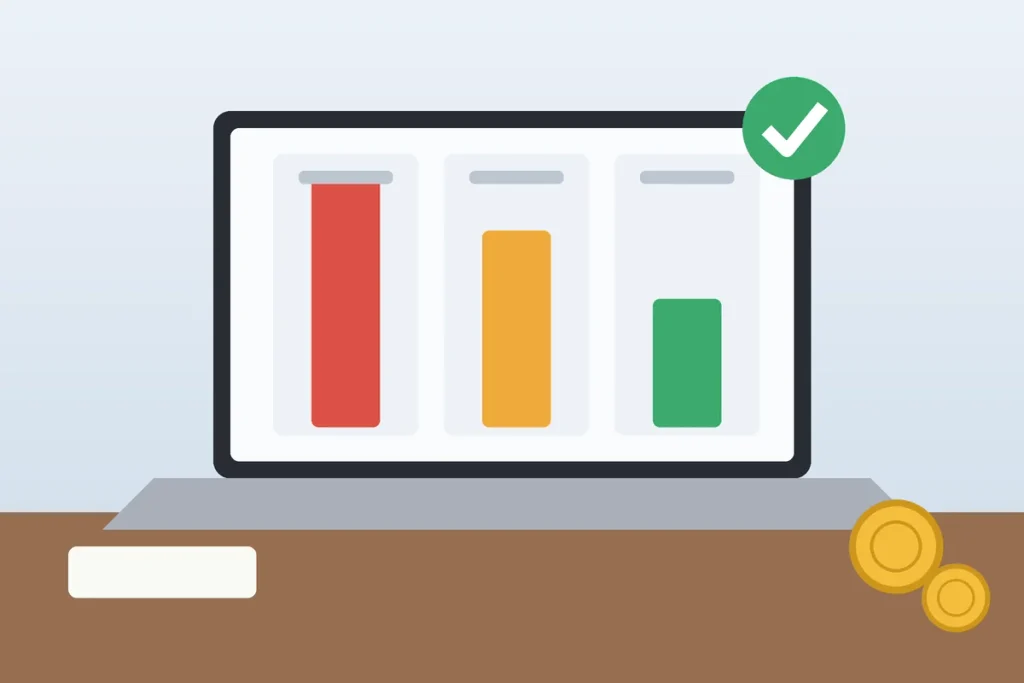
Your deductible is what you pay out of pocket before collision or comprehensive coverage kicks in. The Insurance Information Institute notes that moving from a $200 to a $500 deductible can cut those coverage costs by 15% to 30%, and going to $1,000 can save 40% or more.
Here’s the rule I’d follow: pick the highest deductible you could pay from savings tomorrow without putting it on a credit card. If a $1,000 surprise would wreck your month, stick with $500 and build your emergency fund first.
3. Bundle your auto with home or renters insurance
Most major insurers knock a meaningful chunk off when you buy auto and home (or renters) coverage together. Renters policies often cost less than $20 a month, so bundling one in can save more than the renters policy costs. Still, run the numbers both ways. Sometimes two separate policies from two companies beat one bundle.
4. Ask for every car insurance discount you qualify for
Insurers don’t always apply discounts automatically. A five-minute call asking “what discounts am I not getting?” is worth making. Common ones include:
| Discount | Who usually qualifies |
|---|---|
| Multi-policy (bundle) | Drivers who also insure a home, condo, or apartment with the same company |
| Multi-car | Households insuring two or more vehicles on one policy |
| Good student | Full-time students under 25, typically with a B average or better |
| Paid in full | Anyone who pays the 6- or 12-month premium upfront |
| Paperless and autopay | Drivers who accept e-documents and automatic payments |
| Safety and anti-theft features | Cars with airbags, anti-lock brakes, or factory alarms |
| Affiliation | Members of certain employers, alumni groups, credit unions, or the military |
5. Try usage-based insurance if you drive carefully
Telematics programs track how you drive through a phone app or plug-in device, then price your policy on real behavior. Examples include Progressive Snapshot, State Farm Drive Safe & Save, Allstate Drivewise, and GEICO DriveEasy. Smooth braking, daytime driving, and keeping your phone down are what earn the best results.
One honest warning: some programs can raise your rate if the data shows hard braking or lots of late-night trips. If you commute in heavy stop-and-go traffic, ask how the program scores braking before you sign up.
6. Improve your credit
In most states, insurers use a credit-based insurance score to set rates, and drivers with poor credit can pay far more than drivers with excellent credit for the same coverage. This rule depends on your state. California, Hawaii, and Massachusetts ban credit as a pricing factor, and Michigan restricts it. Everywhere else, paying bills on time and keeping card balances low can bring your premium down at your next renewal. Our guide on how to increase your credit score fast walks through the steps.
7. Take a defensive driving course
Some states require insurers to reward drivers who complete an approved course. New York is the best example: under the New York DMV’s Point and Insurance Reduction Program, finishing an approved course gets you a 10% reduction on the base rate of your liability, no-fault, and collision premiums for three years. Many other states offer similar discounts, especially for drivers 55 and older, so ask your insurer what it accepts.
8. Drop collision and comprehensive on an older car
Collision and comprehensive only pay up to your car’s current value, minus your deductible. If your 2012 sedan is worth $4,000 and you carry a $1,000 deductible, the most you’ll ever collect is $3,000. A common rule of thumb: when those two coverages cost more than about 10% of the car’s value per year, consider dropping them. Check your car’s value on Kelley Blue Book or Edmunds first. If the car is financed or leased, your lender will require both coverages until it’s paid off.
9. Pay in full and go paperless
Monthly payment plans often carry installment fees of a few dollars per payment. Paying a six-month premium upfront skips those fees and usually earns a paid-in-full discount on top. Pair it with paperless billing and autopay for another small break.
10. Tell your insurer you drive less
If you switched to remote work or retired, your annual mileage may have dropped from 12,000 miles to 5,000. Update it. Lower mileage means less risk, and many insurers price for it. If you drive very little, a pay-per-mile policy such as Nationwide SmartMiles can cost less than a traditional plan.
11. Check insurance costs before you buy your next car
Two cars with the same sticker price can have very different insurance bills. Sports cars, luxury models, and vehicles that thieves love tend to cost more to insure. Get a quote on the exact model (using its VIN if possible) before you sign at the dealership, not after.
12. Keep a clean record and skip small claims
An at-fault accident or a speeding ticket can push your premium up for three to five years. A DUI is far worse. Small claims hurt too: filing for a $700 repair might cost you more in higher premiums than you collect. For minor damage you can afford, paying out of pocket is often the smarter move.
Mistakes That Turn Cheap Car Insurance Into an Expensive Problem
Chasing the lowest price can backfire. Avoid these traps:
- Buying only the state minimum. Minimums are low and vary by state. California, for example, requires just $30,000 per person and $60,000 per accident for injuries, plus $15,000 for property damage. One serious crash can blow past those limits, leaving you personally on the hook. Many advisers suggest 100/300/100 if you own a home or have savings.
- Letting coverage lapse. Even a short gap between policies can label you a higher risk and raise your next quote. Set up the new policy before canceling the old one.
- Underreporting drivers or miles. Leaving a teen driver off your policy or fudging your commute can get a claim denied. It’s not worth it.
- Dropping uninsured motorist coverage. It’s cheap and protects you from the many drivers on the road without insurance.
Frequently Asked Questions
What is the fastest way to lower my car insurance?
The fastest way is to compare quotes from at least three insurers using the same coverage limits. Switching companies can save hundreds of dollars in a single afternoon. While you shop, raise your deductible to $1,000 if your savings can cover it, and ask each insurer for a full list of discounts you qualify for.
How often should I shop for car insurance?
Shop for car insurance at least once a year, about three to four weeks before your policy renews. Also compare quotes after any big life change, such as moving, getting married, buying a new car, adding a teen driver, or seeing a ticket fall off your record. Each of these events can shift which insurer offers you the best price.
Does getting car insurance quotes hurt my credit score?
No. Insurers use a soft credit inquiry when they check your credit-based insurance score for a quote, and soft inquiries don’t affect your credit score. You can request as many car insurance quotes as you like without any impact. Only lenders reviewing an application for new credit, such as a car loan, trigger a hard inquiry.
Is a $1,000 deductible better than $500?
A $1,000 deductible usually lowers your collision and comprehensive premium noticeably, so it’s better if you have at least $1,000 in savings set aside. If a sudden $1,000 bill would force you onto a credit card, stay at $500. The right deductible is the highest amount you could comfortably pay tomorrow without borrowing.
When should I drop full coverage on an older car?
Consider dropping collision and comprehensive when their combined yearly cost exceeds about 10% of your car’s value, or when the car is worth less than a few thousand dollars. Check its value on Kelley Blue Book first. You can’t drop full coverage while the car is financed or leased, since lenders require it until the loan is paid.
Why did my car insurance go up if I had no accidents?
Your rate can rise even with a clean record because insurers price for everyone in your area. Higher repair costs, rising medical bills, more claims in your ZIP code, and severe weather all push base rates up. A drop in your credit-based insurance score can raise it too. Shopping around is your best response.
Your Next Step: Get Three Quotes This Week
Pull up your current declarations page, note your exact coverage limits and deductibles, and request three quotes using those same numbers. While you’re on the phone, ask about bundling, paying in full, and any telematics program. Most drivers who do this once a year end up paying noticeably less, and it takes about an hour. If your credit is holding your rate back, start with our credit score guide so your next renewal comes in lower.